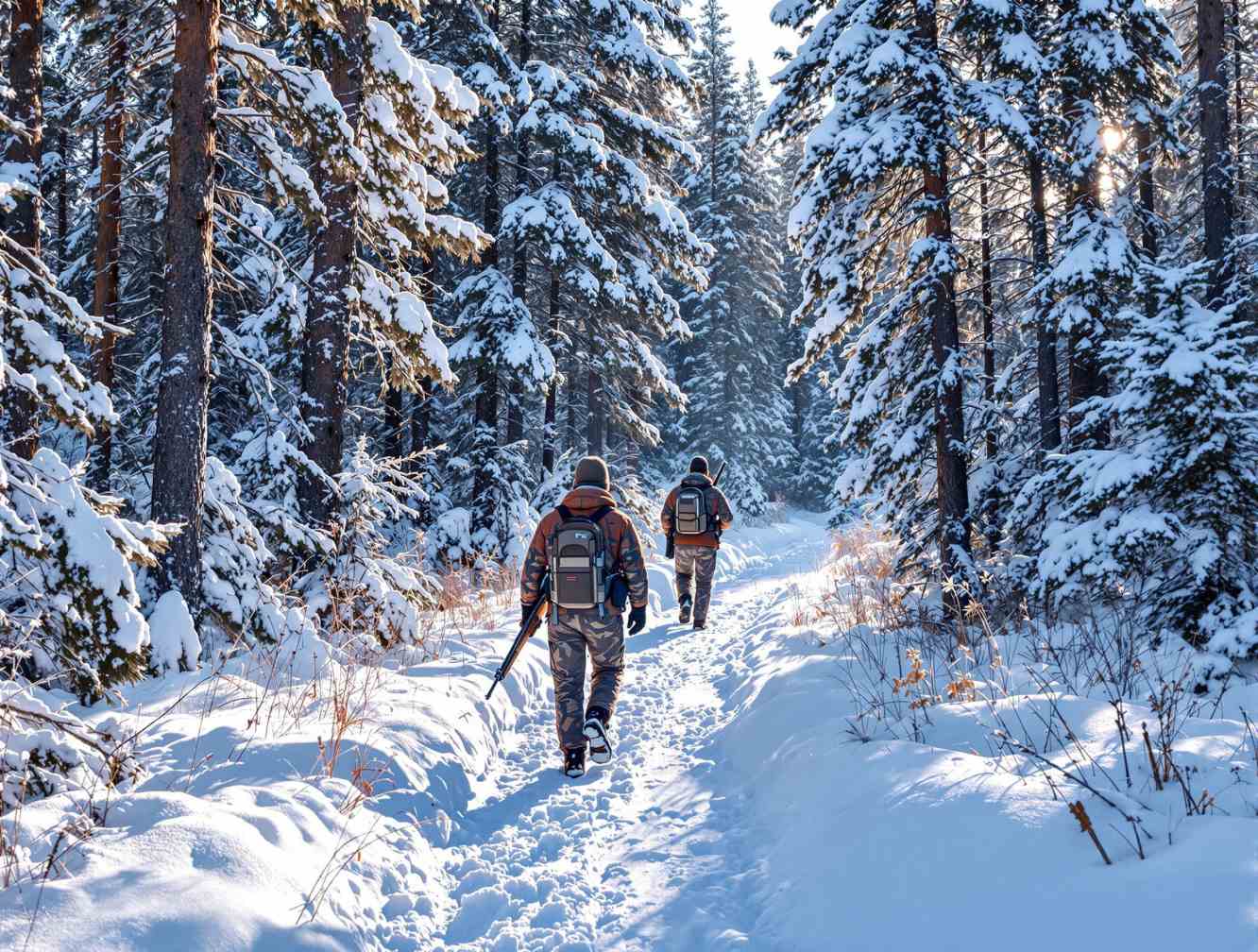
When the snow covers the ground and it gets really cold a lot of hunters stop going and forget about all the secrets the forest is hiding.. Winter is a time to learn more, about deer and bear behaviors. If you pay attention to the tracks eating patterns and paths they take during the months you can learn a lot of things that will help you when it is time to hunt in the fall. Here is how you can use winter to get better at hunting in Ontario.
Understanding Where Deer Go
Deer like to do the things over. They usually take the paths every year. In the winter you can see these paths clearly because there are no leaves on the trees. If you see tracks in the snow it can show you where the deer like to go between their beds and where they eat. Look at the land. See if the deer are avoiding spaces or if they like to go along the edges of thick bushes. Knowing these paths can help you figure out where to put your stands or blinds when it's time to hunt.
Deer are also affected by things like how deep the snow's. If you see that the deer are always taking the path through the snow it might mean they are trying to take the easiest way to save energy. You should mark these paths on your map because they can be places to set up when it is time to hunt.
You should also look for things in nature that might make the deer change their paths. Things like streams, steep hills or thick bushes can make the deer go through areas. These areas are really important when it is time to hunt because the deer will often use them to get. It might seem like a lot of work to write down all your observations. It can really help you understand how the deer behave.
Finding Out Where Bears Go
Even though bears are sleeping during the winter you can still see the paths they take. If you look for signs like marks on trees or flat plants where bears have been walking you can figure out where they go. These signs can help you decide where to put food for the bears when it's time to hunt them.
It is really important to pay attention to how the deer and bear paths cross each other. Sometimes the bears and deer take the paths, which can be really helpful for planning your hunt. If you see bear tracks near a deer path it might mean that both animals are using the area, which can be a place to set up.
Finding Where Deer and Bears Sleep
It is just as important to know where the deer and bears sleep as it is to know where they eat. In the winter deer like to sleep in bushes or groups of evergreen trees to get away from the wind and cold. Look for areas that are protected from the wind and where people do not usually go. These areas are probably where the deer like to sleep.
Take the time to find the spots where the deer and bears sleep. You can do this by looking for signs like poop or flat grass and leaves. Knowing these spots can help you set up your stands in the places, which can make you more successful when you hunt. You should also think about which way the wind is blowing when you are planning how to get to these spots because deer can smell well.
Bears also like to sleep in areas especially if they have been bothered. Knowing where the bears sleep can help you move around the land easily when it is time to hunt. When you are out looking in the winter it is an idea to have a notebook to write down where the deer and bears sleep. What you see.
Planning for the Future
Looking in the winter can give you an idea of how healthy the land is. If you see a lot of tracks in one area it might mean that the land is good for the animals because it has a lot of food. On the hand if you do not see tracks it might mean that the land needs to be improved. Think about how the food, cover and water're related to where the animalsre moving. This can help you plan not for the hunt but for the long term.
If you notice that some areas do not have animals it might mean that the land needs to be improved. You could think about planting food that the animals like or making the water sources better. In Ontario talking to the people who take care of the wildlife can also give you ideas about how to make the land better for the deer and bears. Understanding how the animals and the land work together can make your hunts more successful.
Being Careful When Looking Around in the Winter
Looking in the winter can be really helpful. It is not always easy. The cold can make you tired quickly so you should dress warmly. Go out when it is not too cold. Wear clothes that will keep you dry and warm like shirts and pants that keep the moisture away and a waterproof jacket.
It can be hard to track the animals if it snows again after you have been looking around. It is an idea to go out when the sun is shining. The snow is not too deep. You should also be careful not to bother the animals during the winter especially when they are sleeping. Always follow the rules. Respect the animals space. This will help you be a hunter.
In short looking around in the winter can teach you a lot about deer and bears. By understanding where they go where they sleep and how they behave you can make a plan that will help you when it is time to hunt. Use the time, in the winter to learn and plan. You will be ready to hunt with confidence when the time comes.