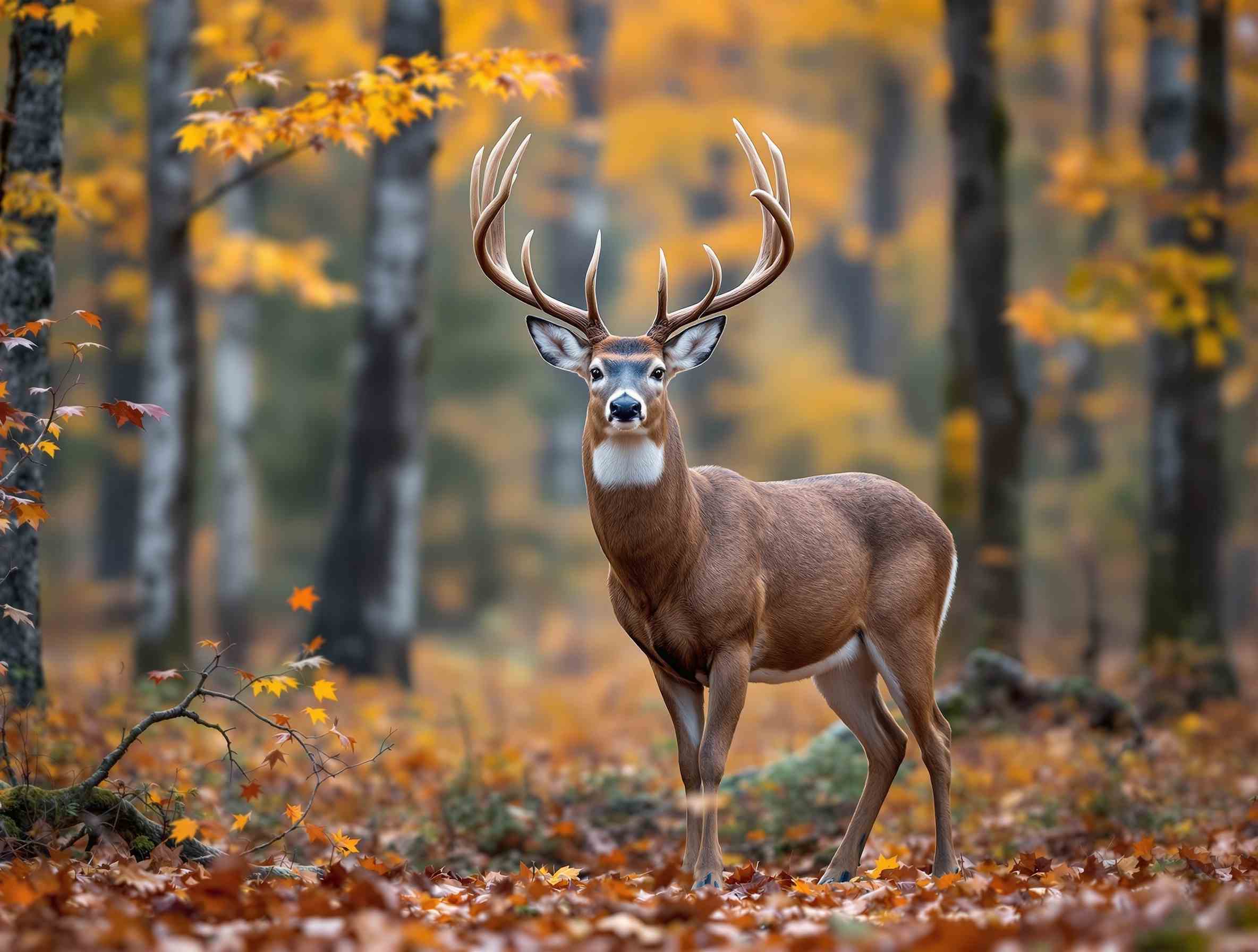
Fresh snow covers the ground making the whole area look clean and special. For people who hunt this is a chance to learn about how deer move. Snow shows the paths, places where deer eat and their habits. Knowing how to see these signs can help you have a hunt and do it the right way.
Reading Tracks
The first thing to do when looking for deer signs after snow is to check the tracks. Each footprint tells you something about the deer. A deer's foot leaves a shape like a heart with two toes clearly seen. If the snow is fresh you might see the tracks. Also where the deer was going. Look at how deep the tracksre. Deep ones mean the deer is heavier a big buck or a deer that is carrying more weight.
Also check how apart the tracks are. If they are spaced out the deer was moving slowly or eating. If they are close together the deer might be in a hurry. If you see tracks going to a place where deer eat or rest that means deer were there not ago.
It is also important to look at how the tracksre arranged. If they go in directions or zigzag the deer might have been scared or had to go around something. This can help you know what the deer is doing and what challenges it has which is important for your plan.
Checking Trails
After finding tracks the next step is to follow the trails. Deer often use the paths again and again making them clear in the snow. Look for places where the snow's more packed. Some trails might lead to water others might connect food places with resting spots. This is especially useful in winter when deer move less.
It's important to look for places where many trails meet. These spots are usually busy because deer meet or move between food and cover. If you see a place where trails come together set up your hunting spot nearby. These areas are often where deer are during their activities.
Also look at the plants along the trails. You might see that some twigs are eaten or that some plants are crushed more than others. This shows where deer like to go or what they eat. This helps you understand more about how deer behave and what they like.
Finding Eating Areas
Deer like to go to places where they like to eat. After snow you can see where they ate last. Look for spots where the snow is moved or where leaves and branches are gone. These signs mean deer were eating there not ago.
In Northwestern Ontario deer eat acorns, clover and crops. In winter they might eat trees and bushes if other food is not available. When looking for these places think about the time of year and what deer need to eat. For example in months they depend more on bushes and trees.
Finding these places is an advantage. Set up nearby. Maybe you can see them come back for more food.. Remember to check the wind. Deer have a smell and if they find you they might not come back.
Watching Resting Places
Snow can also show where deer rest. After snow look for areas where deer have lay down. These spots are usually near bushes or evergreens. A good bed might have a dip where the snow is pressed down. Seeing these places helps you know where deer sleep and how they move between food and safety.
Resting places are important to understand. They can show when deer move. If the bed has snow on it the deer are still there. Plan your hunt around this as deer usually leave these places at sunrise or sunset. Also think about the weather as deer may change how they move based on how comfortable they're
Seeing Rubs and Scrapes
Another thing to look for after snow is deer rubs and scrapes. Rubs happen when bucks use their antlers to scratch trees. In snow you might see branches or pieces of bark on the ground. Look at how high and strong the rubsre. Bigger rubs mean older and bigger bucks are around. This can help if you want to catch a buck.
Scrapes are another sign. They are usually near trails, where bucks dig the ground and leave a spot. These are often with urine marks. If the snow is disturbed it means a buck is looking for a mate and might come back. If you find scrapes set up your stand nearby. Bucks often go there when looking for does.
Being Responsible
Tracking deer signs in snow is not about hunting. It's about respecting animals and doing it the way. Follow hunting rules and limits. Use what you see to decide which deer to go after. Think about the herd. Make sure you are helping it stay healthy.
Use your skills to not bother nature. Keep quiet. Avoid places where deer might feel stressed. A good hunter is someone who cares about the animals and the land.
With snow helping you you can learn more about the forest. You can understand deer better. Have a better hunt. By looking at tracks following trails and seeing where deer eat and rest you become an more responsible hunter. Now get ready, for your trip. Take these tips with you. Go into the snowy woods with confidence.